
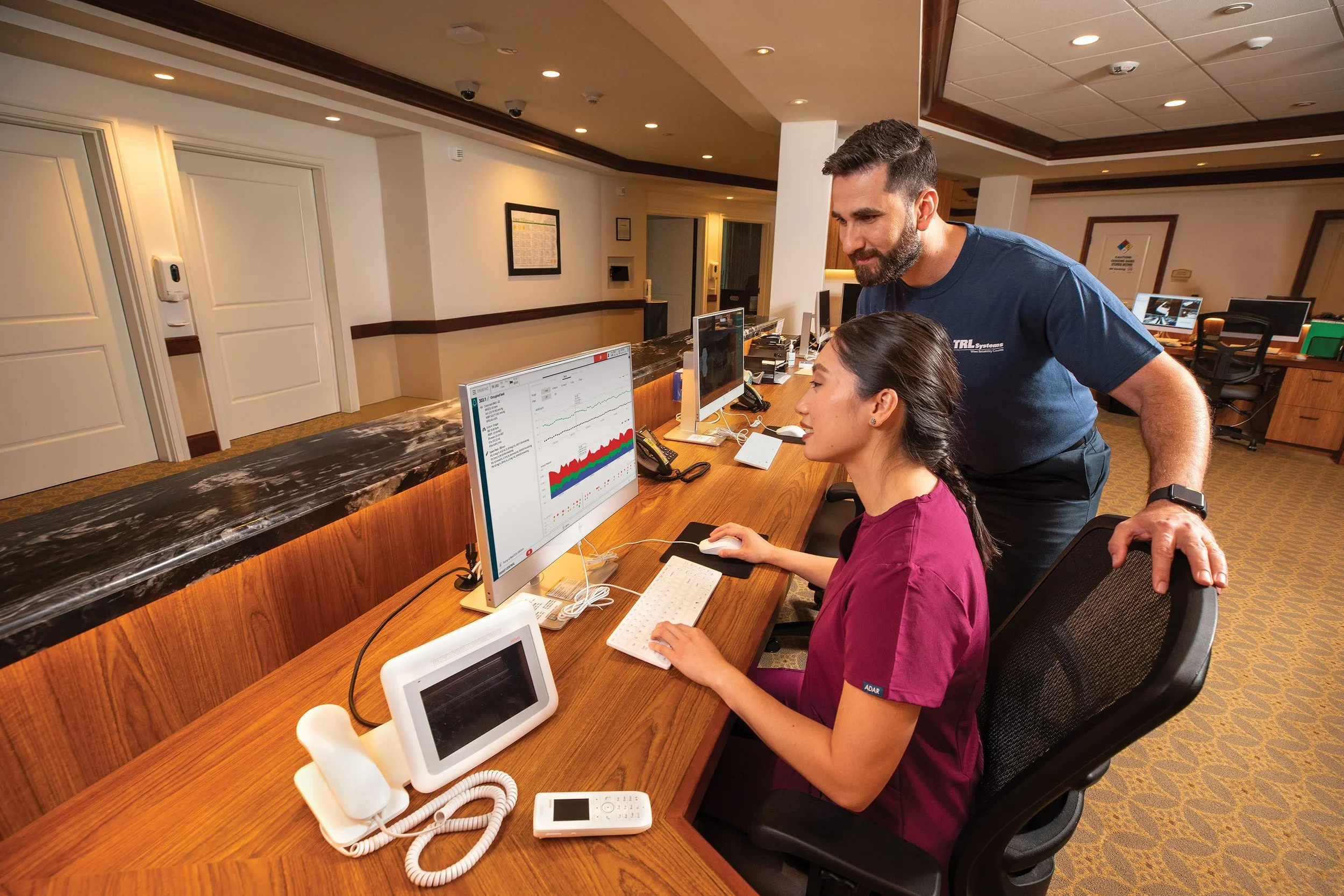
Healthcare and Clinical Solutions
Your Partner for Safer, Smarter Healthcare Environments
Healthcare facilities require systems that actively support caregivers, protect patients and keep complex operations running without interruption. For more than 40 years, TRL Systems has partnered with healthcare organizations to design, implement and maintain integrated fire, life safety and security solutions that meet the realities of modern care.
Our multi-decade, trusted relationship with the California Department of Health Care Access and Information (HCAI), formerly OSHPD, reduces friction and keeps projects on track, from initial design through final approvals.
Whether you are building new facilities, expanding or upgrading existing ones, TRL Systems collaborates with you to deliver customized, fully integrated solutions that align with safety, patient experience, staff satisfaction, operational efficiency and security—so your team can focus on what matters most: exceptional care.
Count on us for
Senior Living Call Assist
Virtual Care
Data Analytics
Real Time Locating Services = Asset Tracking , Workflow, Clinical Throughput
Wander Management
Video Security
Access Control
Intrusion Detection
Emergency Responder Radio Coverage and Cellular
Fire Alarm
Public Address
Environmental Monitoring/Smart Sensing
Infant Security
Patient Monitoring/Virtual Care
Explore Integrated Healthcare Solution
We offer 24/7 support, so we are always there when you need us.
Discover how TRL helps healthcare organizations design, implement and optimize systems that support care without disruption.
Explore Our Services
-
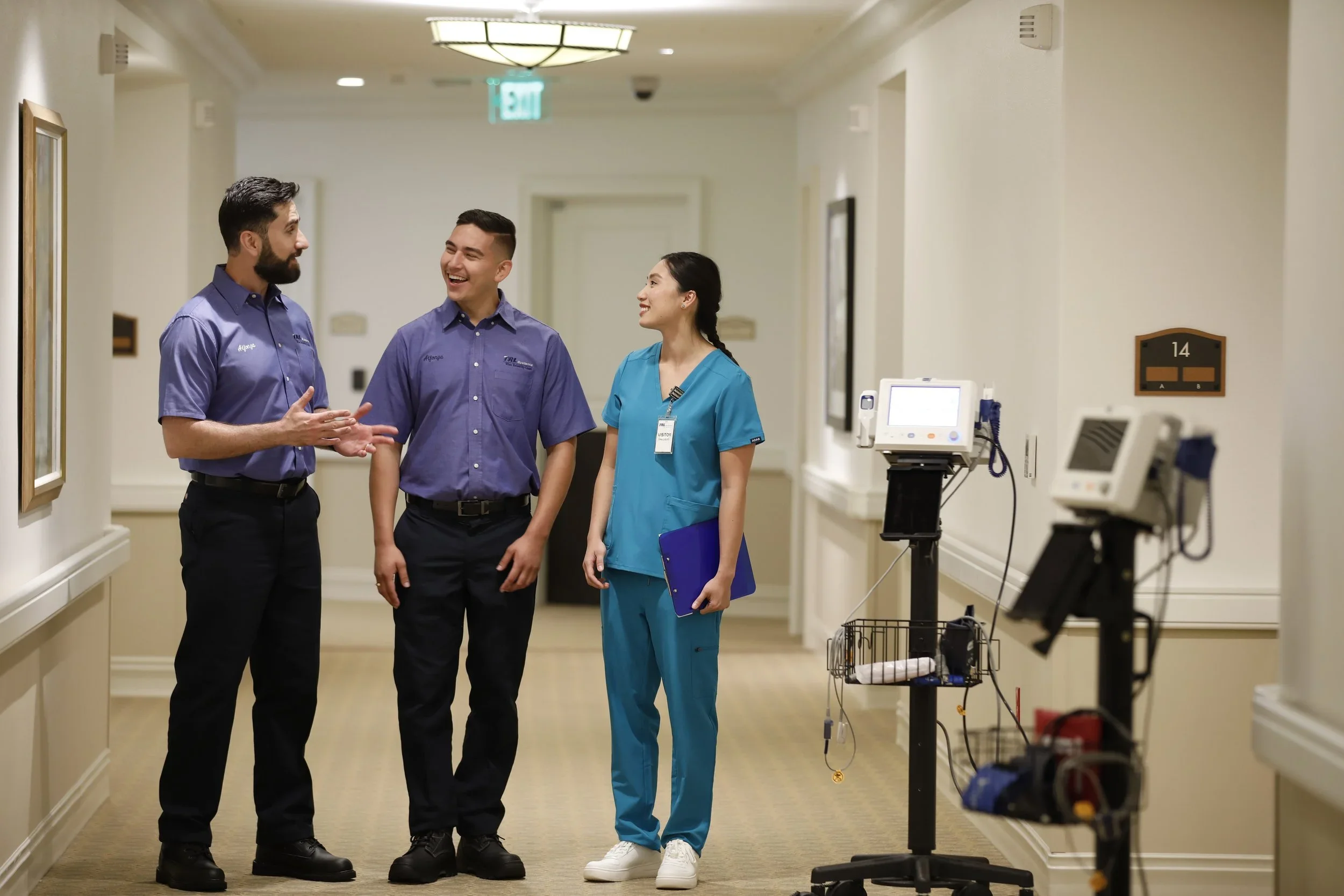
Proactive Safety for Open Healthcare Environments
Today’s healthcare facilities must protect patients, visitors and staff while preserving dignity, access and the flow of care. TRL Systems helps hospitals achieve that balance through integrated security solutions designed specifically for clinical settings.
-
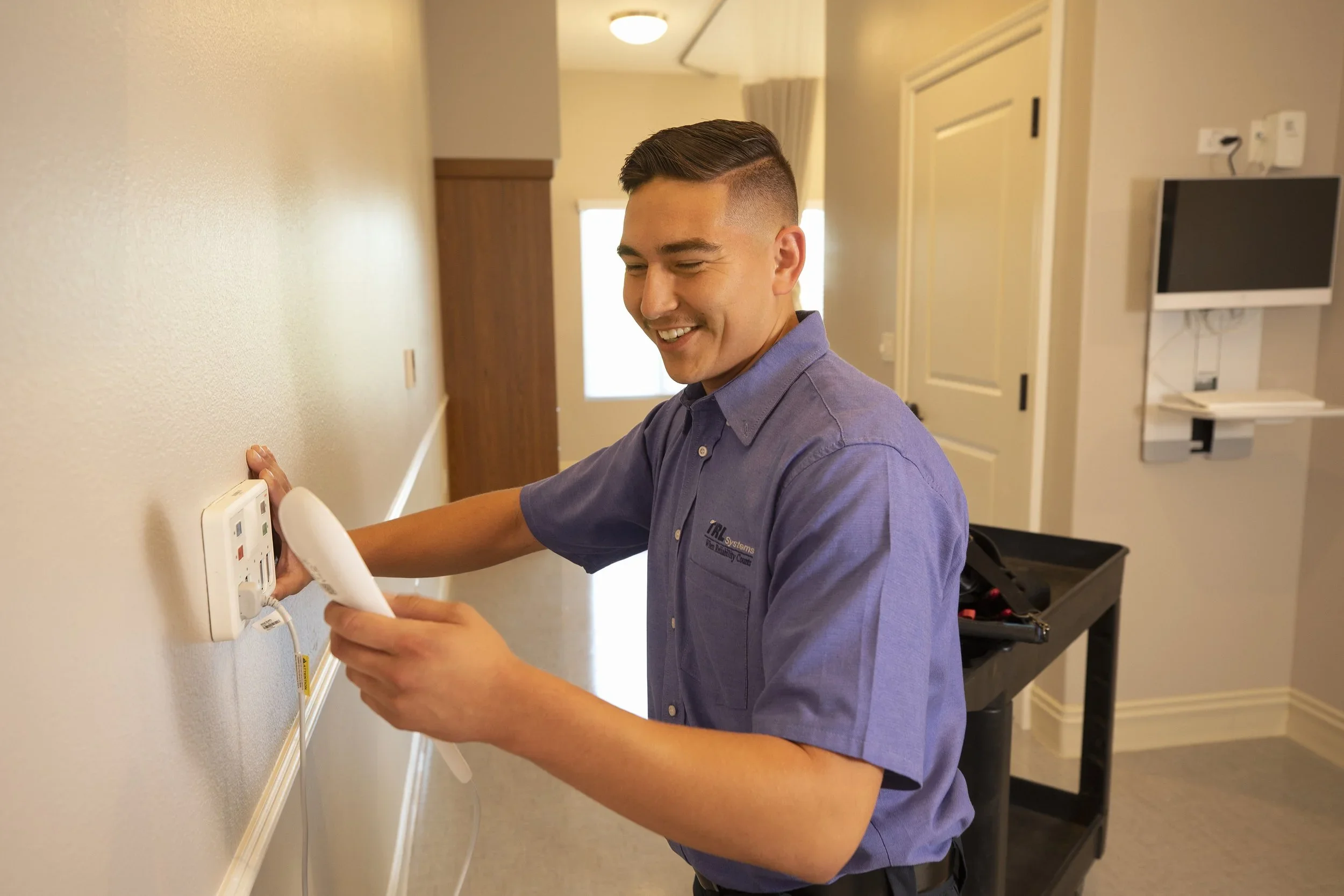
Life Safety & Emergency Communications Solutions for Healthcare
Fire and life safety systems are critical to meeting HCAI, AHJ, and Joint Commission requirements in hospital environments. Properly designed, tested, and maintained systems support code compliance, inspection and survey readiness, and reliable emergency response—helping healthcare facilities protect occupants and maintain uninterrupted patient care.
-
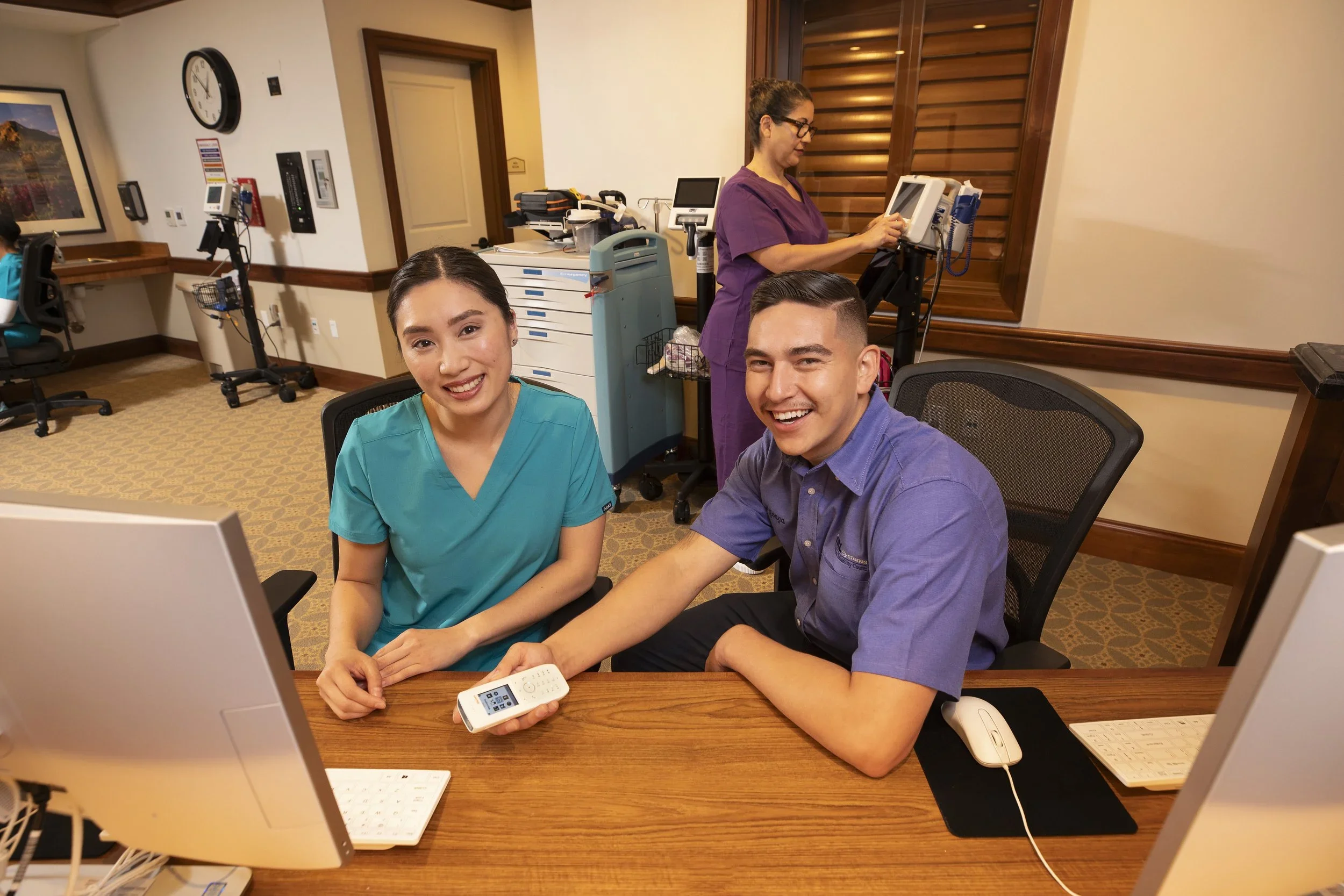
Connected Care Starts with Clear Communication
TRL Systems designs and implements integrated nurse call and clinical communication solutions that support timely response, reduce alarm fatigue, and align with real clinical workflows. By combining proven platforms, mobile communication, analytics, and decision-support tools, we help healthcare teams stay connected, informed, and focused on what matters most: delivering exceptional care.
-
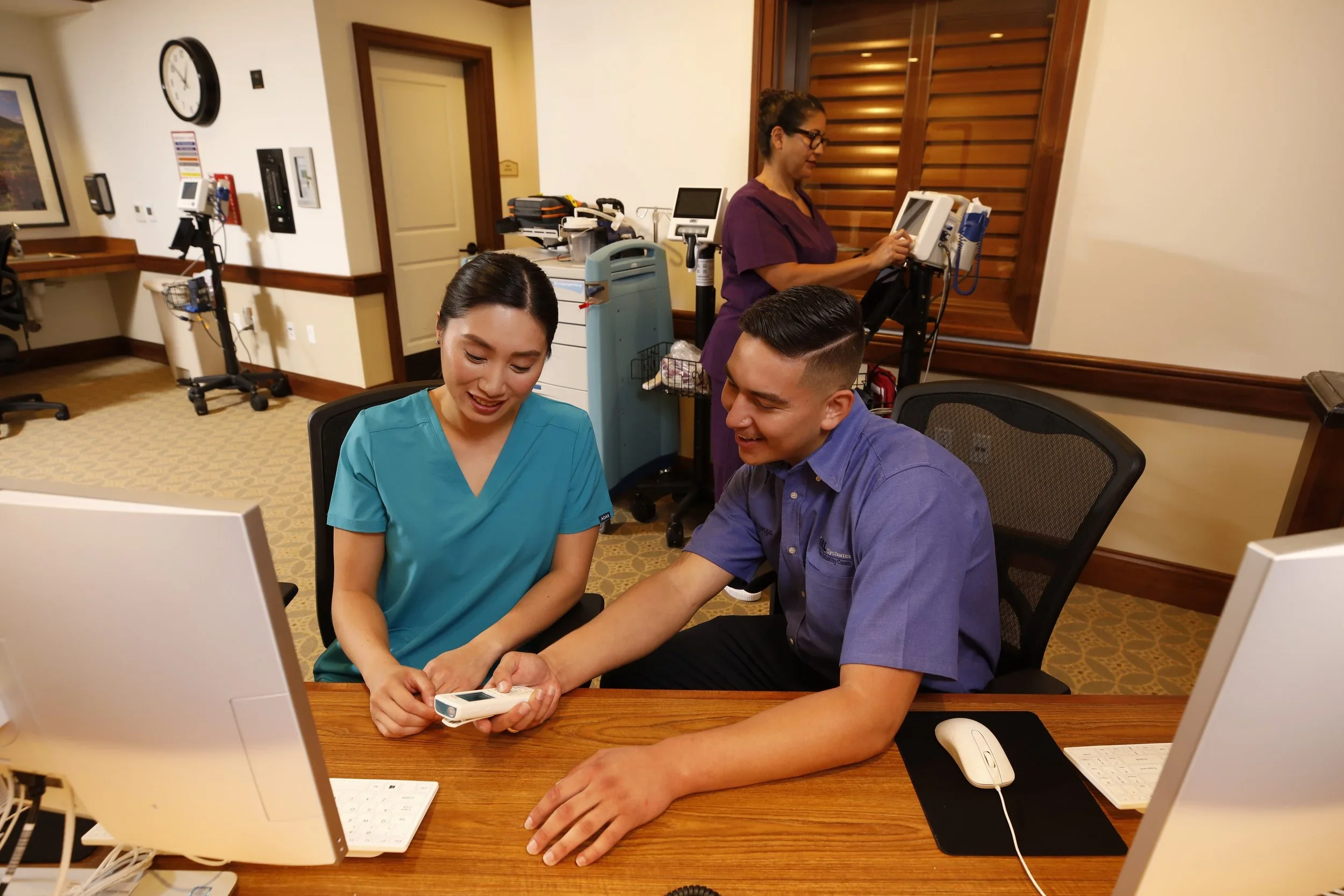
Bridging Clinical Expertise and Technology to Improve Care
Healthcare technology delivers real value only when it aligns with clinical workflows, staff realities and patient needs. TRL Systems’ Clinical Services team exists to ensure that alignment, helping healthcare organizations turn technology investments into meaningful improvements in care, safety and efficiency.
-
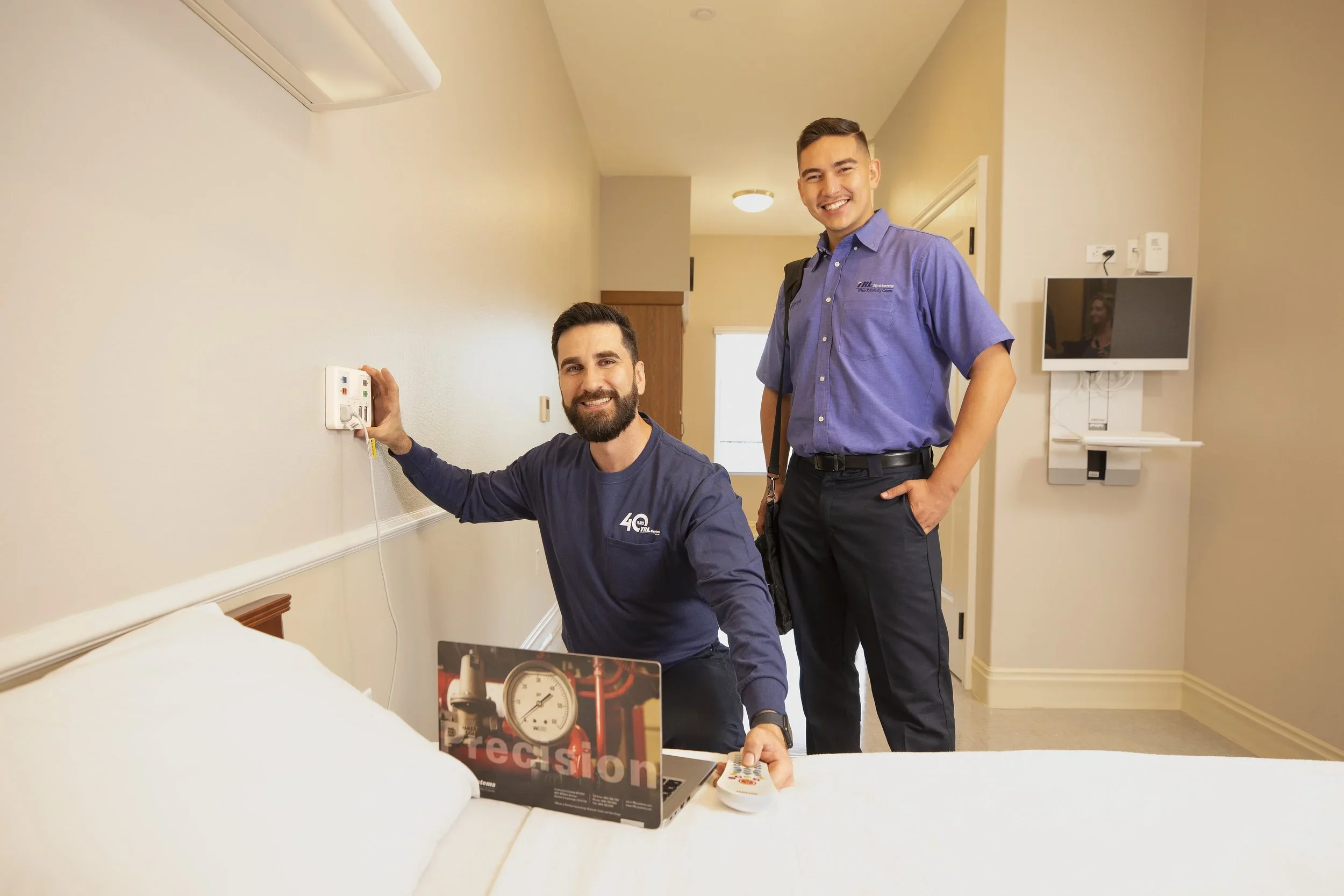
Total Care Support Program
TRL Systems Total Care is a comprehensive support program designed to keep healthcare technology systems operating reliably and compliant. Through proactive service, testing, monitoring, training, and 24/7 support options, Total Care helps healthcare facilities maximize system performance while converting variable service costs into predictable, manageable expenses—so teams can stay focused on patient care.
-
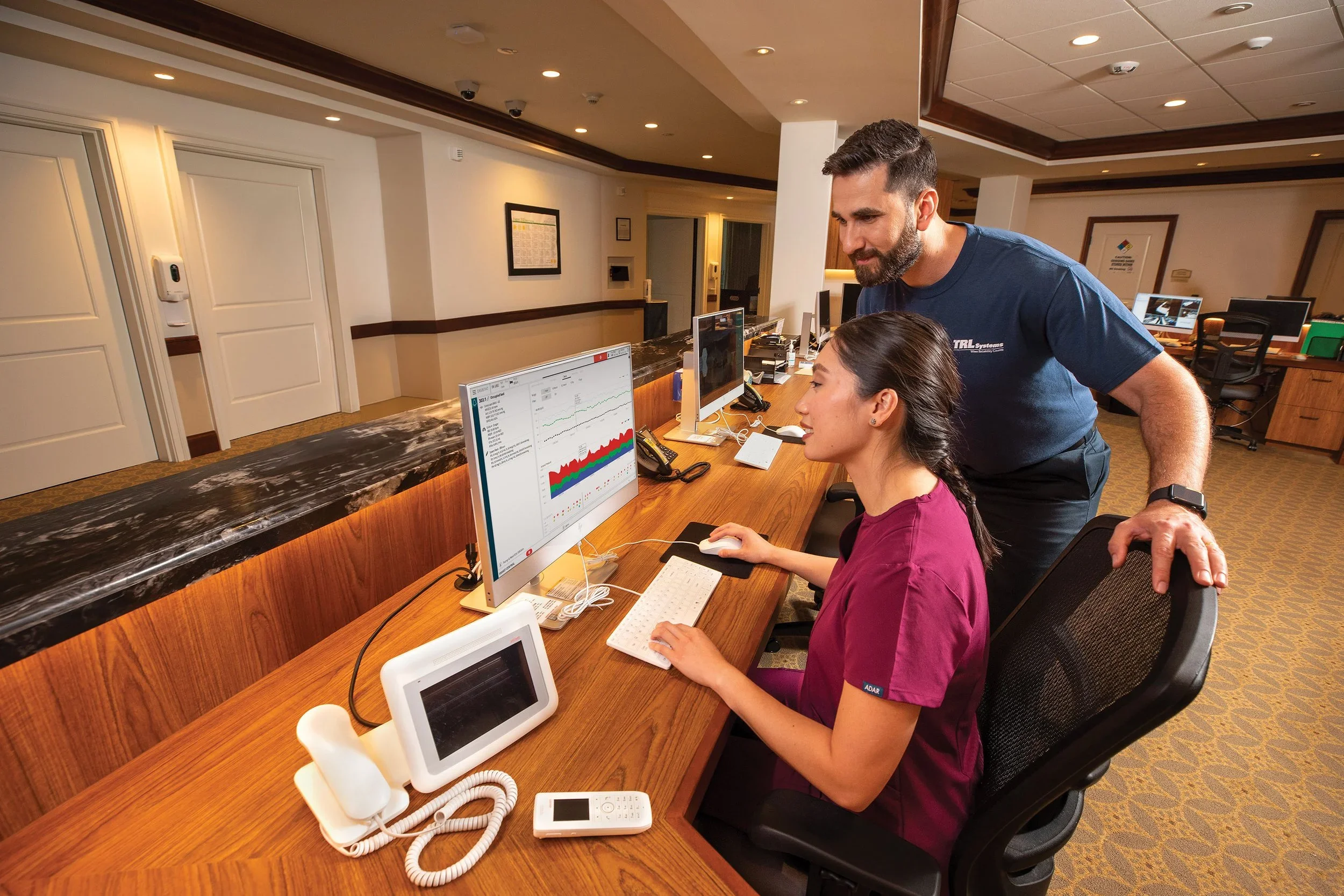
Senior Living Solutions
Nurse Call - Designed specifically for skilled nursing and assisted living communities, TRL Systems provides nurse call solutions to connect caregivers,—supporting faster response times, improved communication and a safer patient/resident experience. We offer wireless and wired solutions.
Mobility - Mobile communication delivers alerts, messages and escalations directly to caregivers wherever they are. By enabling secure, real-time communication on mobile devices, care facilities reduce response delays, support staff movement and improve workflow efficiency.
Wander Management - Wander management systems help care facilities protect patients at risk of elopement by monitoring movement and alerting staff to unauthorized exits. Integrated with clinical and security workflows, these systems support patient safety, staff awareness, and a secure care environment without disrupting daily operations.
Frequently Asked Questions
-
Patient-to-nurse communication, staff location tracking, automated escalation, mobile alerts, service request buttons, and integration with other hospital systems.
-
Yes, most advanced systems support HL7 or FHIR standards for EMR integration and can connect with VoIP phones, pagers, and mobile devices.
-
Many systems offer RTLS integration, allowing staff and asset tracking to improve response times and resource allocation.
-
Yes, calls can be prioritized by type (e.g., code blue, bathroom assistance, pain medication), with visual and audible alerts to indicate urgency.
-
Some systems include multilingual interfaces, visual cues, and ADA-compliant features like tactile buttons and voice prompts.
-
By routing calls directly to assigned caregivers and enabling mobile alerts, response times are significantly reduced.
-
Yes, intelligent filtering and escalation logic help reduce unnecessary alarms and ensure only actionable alerts reach staff.
-
Faster response times, personalized care, and better communication contribute to improved patient experience and higher satisfaction scores.
-
Systems typically include firewalls, role-based access, encrypted communication, and regular security audits.
-
Installation can range from a few weeks to several months, depending on facility size. Downtime is minimized through phased rollouts and after-hours work.
-
Disruption is minimal. Temporary systems or manual workflows are used during transitions to maintain care continuity.
-
Yes, phased implementation is common and allows for smoother adoption and training.
-
Vendors typically offer on-site training, e-learning modules, and ongoing support for clinical and technical staff.
-
Yes, dashboards and reports track call volumes, response times, staff efficiency, and patient satisfaction metrics.
-
Most systems offer customizable reporting tools that allow filtering by unit, shift, staff role, and time period.