Hospital Security Is Changing: What AB 2975 Means for Healthcare Leaders
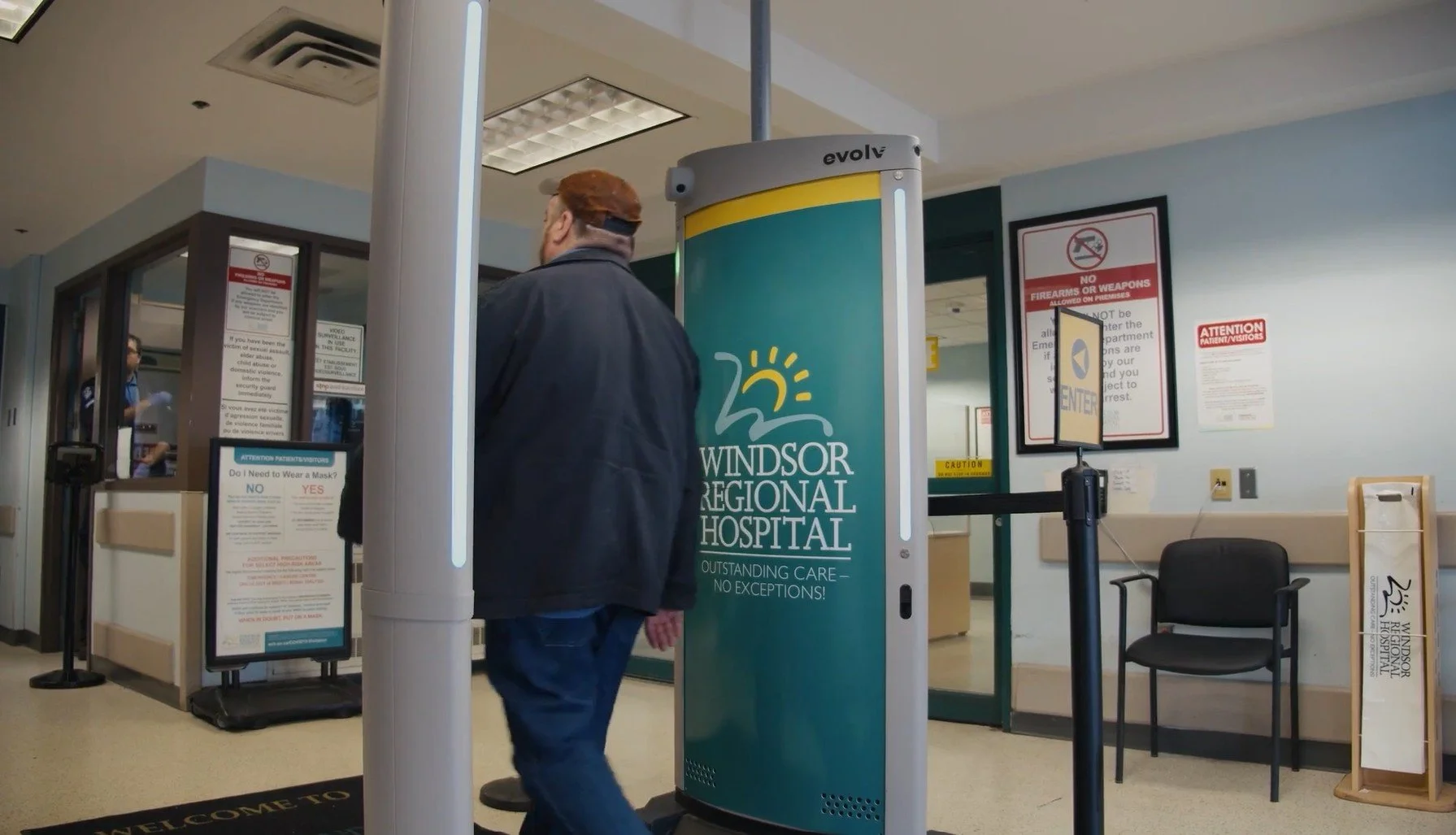
Hospital security is entering a new regulatory phase. California Assembly Bill 2975 introduced requirements that impact how hospitals manage public access, threat detection, and operational workflows. Leadership teams now face decisions that extend beyond compliance and into how security integrates with patient care, staff safety, and facility design.
AB 2975, which was signed into law in September 2024, mandates weapons detection screening at designated hospital entrances. General acute-care hospitals, acute psychiatric hospitals, and specialty hospitals fall within scope under California Health and Safety Code Section 1250. Facilities must prepare for enforcement timelines leading up to 2027. Details continue to evolve through the Cal/OSHA Standards Board, but the operational implications are already clear.
How AB 2975 compliance will reshape entry points
Weapons detection does more than add a device at the door. Screening changes how people move through a hospital. Entry points that once supported open access now require controlled flow, queuing considerations, and secondary screening protocols.
Emergency departments create one of the most complex scenarios. Patient arrival cannot be delayed, yet screening requirements still apply. Facilities must design workflows that separate clinical urgency from security processing without introducing bottlenecks. Labor and delivery entrances present similar challenges, where emotional intensity and time sensitivity demand a balance between access control and patient experience.
Hospitals that treat compliance as a hardware installation project often discover gaps after deployment. Screening lines grow longer than expected. Staffing models fail to support peak traffic periods. Visitor frustration increases. Early planning avoids these outcomes.
Why staffing and training will be key variables
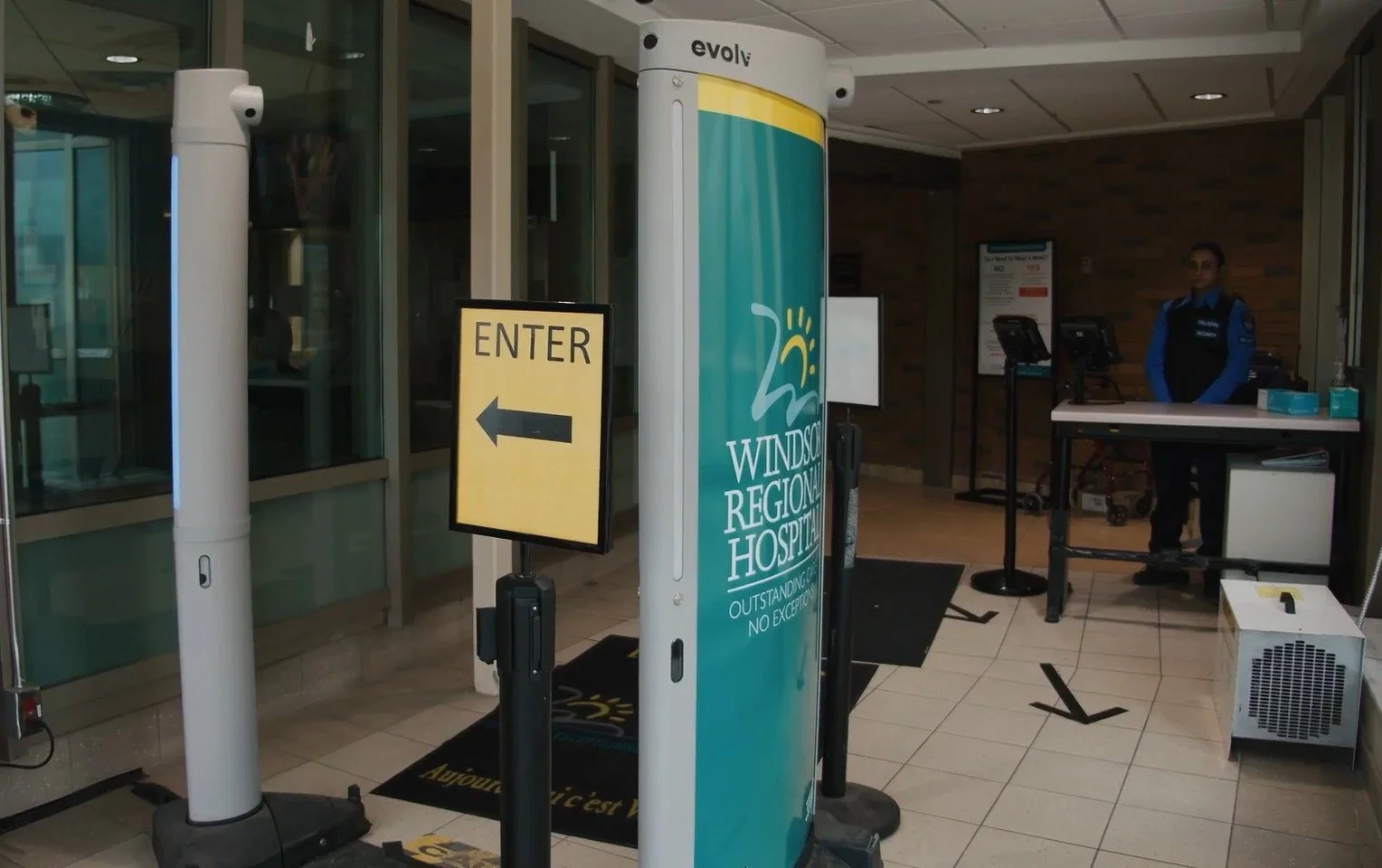
AB 2975 requires trained, non-clinical personnel to operate weapons detection systems. Training must include de-escalation techniques, equipment operation, and implicit bias awareness. This requirement introduces a new operational layer that many hospitals have not previously staffed at scale.
Security teams must shift from patrol and response roles to screening and interaction-based responsibilities. This transition affects hiring, scheduling, and training cycles. High-volume facilities may require multiple operators per entrance during peak hours. Coverage planning must account for shift changes, breaks, and incident response overlap.
Training also affects data quality. Operators must correctly categorize detected items, especially when distinguishing between permitted and non-permitted weapons. Misclassification impacts reporting accuracy and weakens the hospital’s ability to evaluate risk trends over time.
How technology selection will affect workflow stability
Weapons detection systems vary significantly in throughput rates, false positive rates, and physical footprint. Some systems rely on walkthrough sensors with minimal interruption. Others require secondary screening steps that slow entry.
Hospitals must evaluate systems based on measurable operational criteria:
Throughput capacity per hour under real-world conditions and compliance with EMTALA
False alarm rates that impact staffing and response
Integration with video management systems and access control
Physical space requirements aligned with Title 24 building constraints
Reporting capabilities that support compliance documentation
Facilities with limited entrance space face additional constraints. Equipment size and placement must comply with building codes while still supporting safe evacuation paths.
Pilot programs offer one of the most effective ways to validate system performance. Temporary deployments allow hospitals to measure throughput, observe staff interaction, and refine workflows before full-scale implementation.
How security data will become a strategic asset
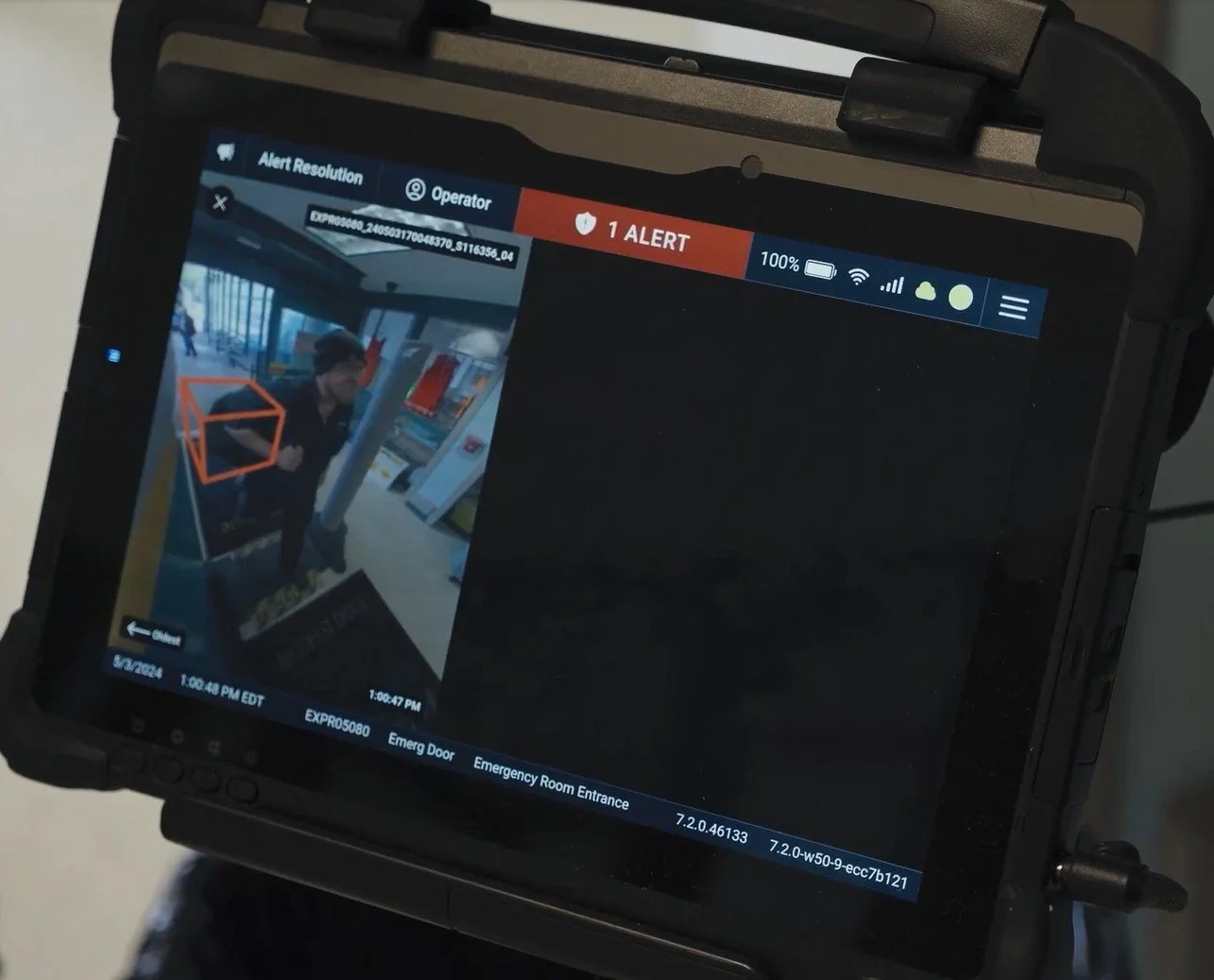
AB 2975 introduced new reporting and procedural expectations that increase the importance of data. Every detection event, response action, and screening decision contributes to a dataset that informs future policy and operational adjustments.
Hospitals that structure this data effectively gain visibility into:
Peak entry times and staffing requirements
Frequency and type of detected threats
Screening delays and throughput constraints
Incident response timelines
Data integrity depends on consistent input. Operator training and standardized procedures ensure that collected data reflects real conditions rather than inconsistent classification practices.
Leadership teams can also use this data to justify staffing models, optimize entrance design, and refine security protocols. Over time, security operations shift from reactive incident handling to measurable performance management.
Why early planning is essential
Hospitals that begin early preparation for AB 2975 gain flexibility. Security risk assessments identify which entrances require screening and how traffic flows through each point. Budget planning aligns capital expenditures with operational costs, including staffing and maintenance.
Workflow design plays a critical role. Screening must integrate into existing patient intake, visitor management, and emergency protocols. Communication strategies ensure that patients and visitors understand the process before arriving, reducing friction at entry points.
Facilities that delay planning often face compressed timelines that limit testing and increase deployment risk.
Why security systems must ensure safety and support care delivery
Hospital security now extends beyond surveillance and access control. AB 2975 introduced structured screening requirements that reshape how hospitals manage risk at the front door. Leadership teams must align compliance efforts with operational realities, ensuring that safety measures support care delivery rather than disrupt it.
What gaps exist in your facility’s security strategy? Visit trlsystems.com/solutions-healthcare to explore tailored solutions.