Cutting Through the Hype: What AI Really Means for Hospital Security
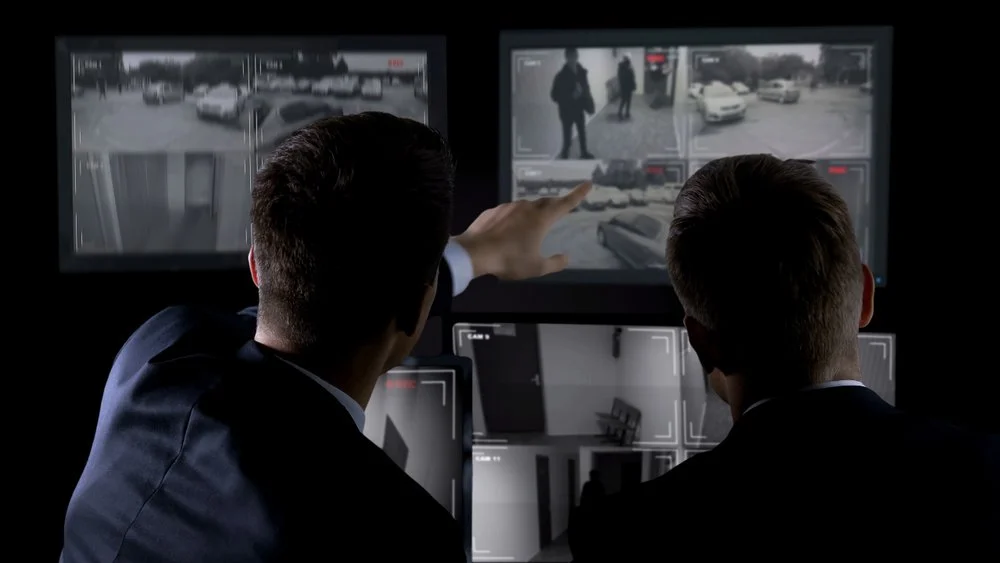
Hospital security is undergoing a major transition. Rising workplace violence, tighter compliance mandates, and more connected care environments have created new operational and clinical risks for hospitals. Many facilities are turning to artificial intelligence (AI) to manage those risks, but few understand how to evaluate AI’s role, its limitations, or its implementation requirements.
There’s no one-size-fits-all solution. As pressure builds to integrate “smart” systems, hospital leaders need a grounded framework for understanding what’s real, what’s hype, and what delivers measurable value.
What AI and analytics in healthcare security actually means
The term “AI” is often used loosely, which leads to confusion. In the healthcare security context, it can refer to a wide range of technologies, with some truly intelligent and others simply rules-based automation.
For example, a platform that uses trained behavior-recognition models to detect loitering in a sensitive zone or bypassing access controls is materially different from a system that reacts to static badge rules. Similarly, real-time risk scoring based on behavioral anomalies — factoring in time-of-day norms, historical foot traffic, and access credentials — requires more than just event logging.
Understanding this distinction is essential. Not every product that uses “AI” and analytics in its marketing offers adaptive intelligence or context-aware decision-making.
What hospitals must consider
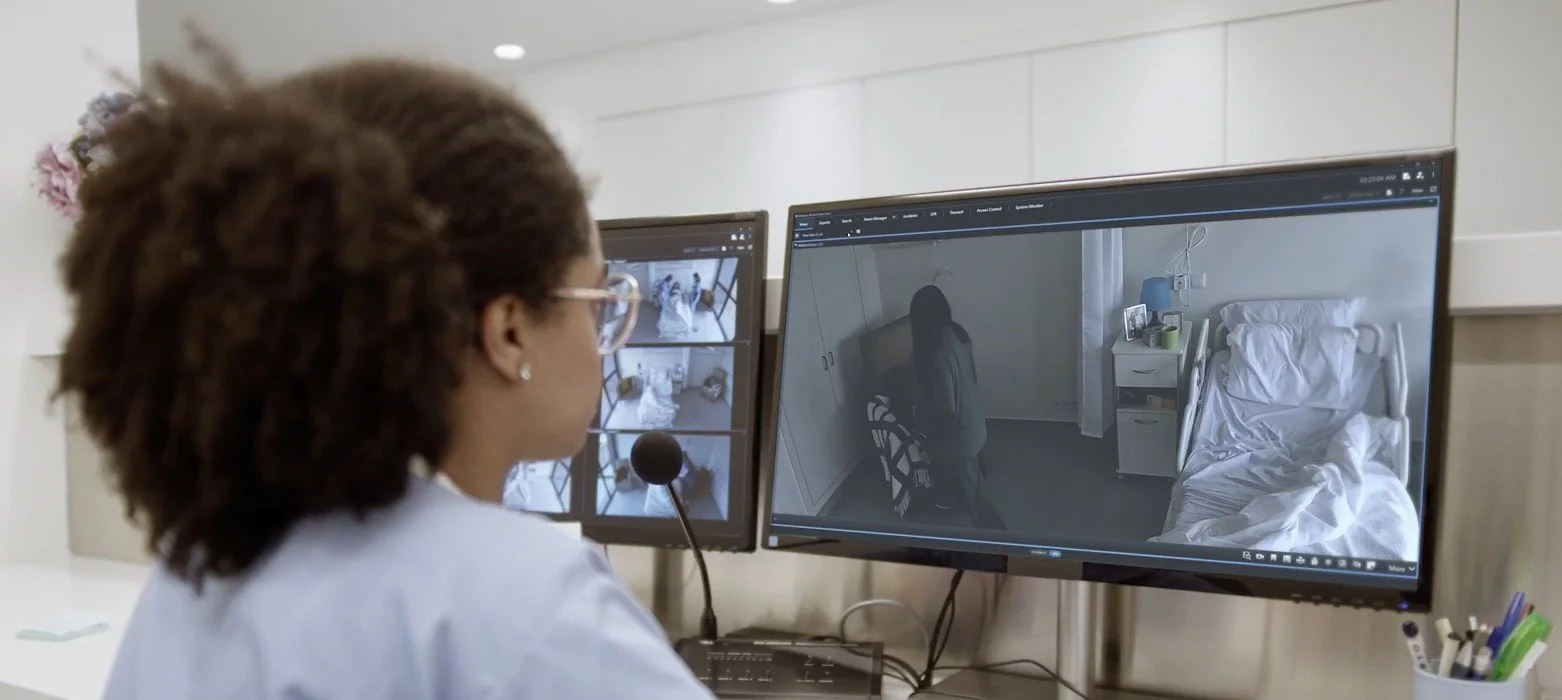
Before implementing any AI-enhanced security system, hospitals must assess several foundational questions:
Does the solution support real-time decision-making or only post-incident review?
Can it prioritize threats by comparing behavior across zones, times, and user types?
Is the system interoperable with existing video, access control, and alerting platforms?
Does it allow for automated workflows, such as lockdowns or rerouting, based on evolving threat levels?
More critically, hospitals must ask: Can the vendor explain how the AI engine works and how its outputs will be governed within your facility’s clinical and operational policies? A black box approach won’t cut it in an environment where safety, compliance, and liability are on the line.
Understanding the implementation gap
Deploying an AI-powered solution doesn’t automatically make a facility safer. The path to improved outcomes depends on integration, training, configuration, and oversight. Many hospitals have been left disappointed by tools that generate overwhelming alerts without helping staff prioritize real threats.
That’s why selecting the right technology partner matters. True healthcare security integration requires more than connecting cameras and sensors. It demands:
Deep understanding of hospital workflows and compliance standards
Collaborative design around each facility’s unique physical environment
Guidance on how to interpret and act on AI-generated insights
Ongoing support for tuning, governance, and change management
The goal isn’t to increase alert volume but to increase situational clarity. That’s where the right systems can make a measurable difference.
When AI helps and when it doesn’t
AI tools can add tremendous value in healthcare settings when they’re deployed with intention. Successful use cases often include:
Behavior-based threat detection in high-risk zones like ER entrances, pharmacies, and pediatric wards
Intelligent video analytics that reduce the need for manual surveillance
Risk scoring based on a combination of access activity, time of day, and motion tracking
Contextual alerting systems that differentiate between routine activity and true anomalies
However, when AI is implemented without integration, governance, or clinical insight, it can have the opposite effect, confusing frontline staff, creating alert fatigue, and even delaying response.
Take the next step toward a safer, smarter facility
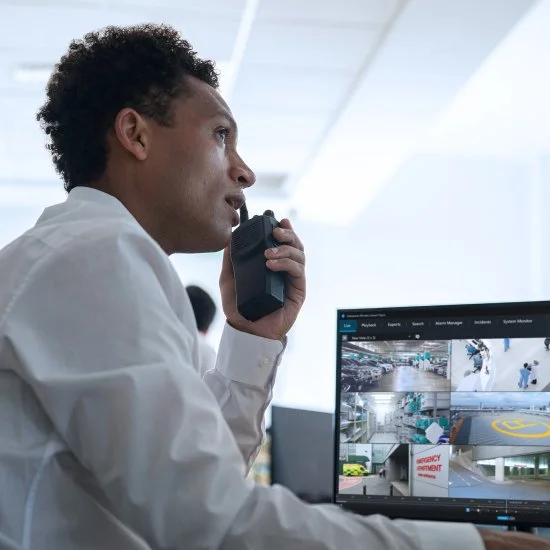
Hospital security isn’t getting simpler. As threats evolve and operations grow more complex, AI has a meaningful role to play — but only when it’s deployed responsibly and supported by the right integrator. Choosing your technology and your partner carefully is the difference between operational noise and truly intelligent response.
To make smarter, safer decisions about hospital security, attend the upcoming webinar, Critical Security: How AI and Analytics Are Transforming Healthcare Security. You'll hear from technology and healthcare security leaders on how to evaluate AI-based tools, understand what’s under the hood, and choose a partner equipped to help you turn intelligence into outcomes.
Register for this important webinar at https://register.gotowebinar.com/register/4898752463710469979 or visit trlsystems.com/solutions-healthcare to learn more.