How Managed Technology Service and Support Help Hospitals Stretch Every Budget Dollar
Hospitals continue to face financial pressure from rising labor costs, aging infrastructure, cybersecurity demands, and increasing expectations for technology availability. Every hour spent troubleshooting nurse call systems, security platforms, fire alarms, or clinical communications pulls valuable internal resources away from strategic priorities. A managed technology service offers a different operating model by shifting routine maintenance, monitoring, testing, and technical support to a dedicated partner while creating greater cost predictability.

Why hidden costs often exceed equipment costs
Capital purchases receive careful budget scrutiny. Ongoing operational expenses often receive less attention despite consuming far more resources over time.
Internal IT and facilities teams frequently divide their attention among dozens of competing priorities. Routine firmware updates are postponed. Annual recertifications become scheduling challenges. Preventive maintenance gives way to
reactive service calls. Small issues accumulate until an unexpected outage requires emergency response, overtime labor, replacement equipment, or vendor dispatch.
Each interruption carries indirect costs beyond the repair itself. Clinical workflows slow, caregivers spend additional time working around unavailable systems, and departments delay patient care activities while technology is restored.
Managed technology support helps reduce those hidden operational costs through structured preventive maintenance instead of crisis response.
How predictable support creates predictable budgets

Budget planning becomes easier when service expenses remain consistent throughout the year. Rather than managing unpredictable repair invoices, emergency callouts, software updates, and testing schedules independently, hospitals can consolidate those activities into a subscription-based support model. Predictable monthly or annual costs improve financial planning while reducing administrative overhead associated with multiple service providers.
Comprehensive support programs also simplify lifecycle management. Software updates, firmware upgrades, licensing changes, equipment testing, and scheduled recertification become part of an organized maintenance strategy rather than separate budget requests. Financial predictability allows leadership to allocate capital toward modernization projects instead of unexpected maintenance events.
How internal teams can gain time for higher-value work
Healthcare organizations rarely struggle because internal teams lack expertise. Limited time is usually the greater constraint.
Highly skilled IT professionals, clinical engineering teams, and facilities personnel often spend considerable effort coordinating service requests, troubleshooting equipment, scheduling maintenance, and following up with multiple vendors. Outsourcing routine technology support enables those teams to focus on cybersecurity initiatives, infrastructure planning, clinical application support, and strategic technology projects that directly benefit patient care.
Support partnerships should extend beyond break-fix service. Remote technical assistance, scheduled preventive maintenance, ongoing staff education, and defined escalation paths reduce operational disruption while improving user confidence across the organization.
How proactive maintenance extends technology life cycles
Healthcare technology performs best when maintenance follows a structured schedule instead of waiting for failure. Regular testing verifies system performance before deficiencies affect patient care. Software and firmware updates address reliability improvements while helping maintain vendor support eligibility. Equipment inspections identify wear that may otherwise go unnoticed until service interruptions occur.
Comprehensive reporting provides additional operational value. Detailed system status reports allow hospitals to prioritize future capital expenditures using documented performance trends rather than assumptions. Proactive maintenance also supports regulatory readiness by documenting testing activities and equipment condition throughout the year.
Why managed support makes sense
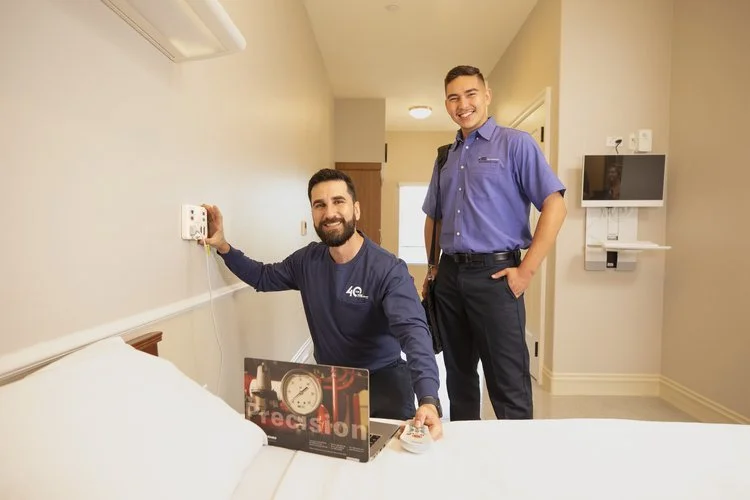
Subscription programs like TRL Systems' Total Care combine technical expertise, preventive maintenance, and responsive support into a single managed technology service designed specifically for healthcare environments. Coverage typically includes annual recertification and testing, comprehensive equipment status reporting, guaranteed response times, software and firmware updates, shipping for repair services, and ongoing technical support.
Other capabilities can be added, such as remote device monitoring, after-hours support, enhanced response times, spare equipment management, and semiannual recertification for organizations with more demanding operational requirements.
The Total Care program follows a structured support model that begins with customer service and remote technical troubleshooting before escalating to onsite service or specialist support when needed. This tiered approach resolves many issues quickly while ensuring experienced personnel remain available for more complex situations.
Hospitals benefit from reduced maintenance workloads, greater budget predictability, longer equipment lifecycles, and consistent system performance across critical technologies, such as nurse call, security, and fire alarm systems.
Why invest in operational stability
Technology budgets should support patient care rather than constant maintenance recovery. A managed technology service provides hospitals with a practical way to stabilize operating expenses, extend technology life cycles, and reduce the burden on internal teams.
Organizations that combine proactive maintenance with responsive technical support spend less time reacting to system failures and more time supporting clinicians, patients, and long-term strategic initiatives.
Is your hospital spending more time maintaining technology than improving it? Connect with TRL Systems at trlsystems.com/healthcare-clinical-solutions to see how Total Care can reduce maintenance workloads while supporting critical healthcare systems.